

IMKANAT – امکانات (Oct-Dec 2026)
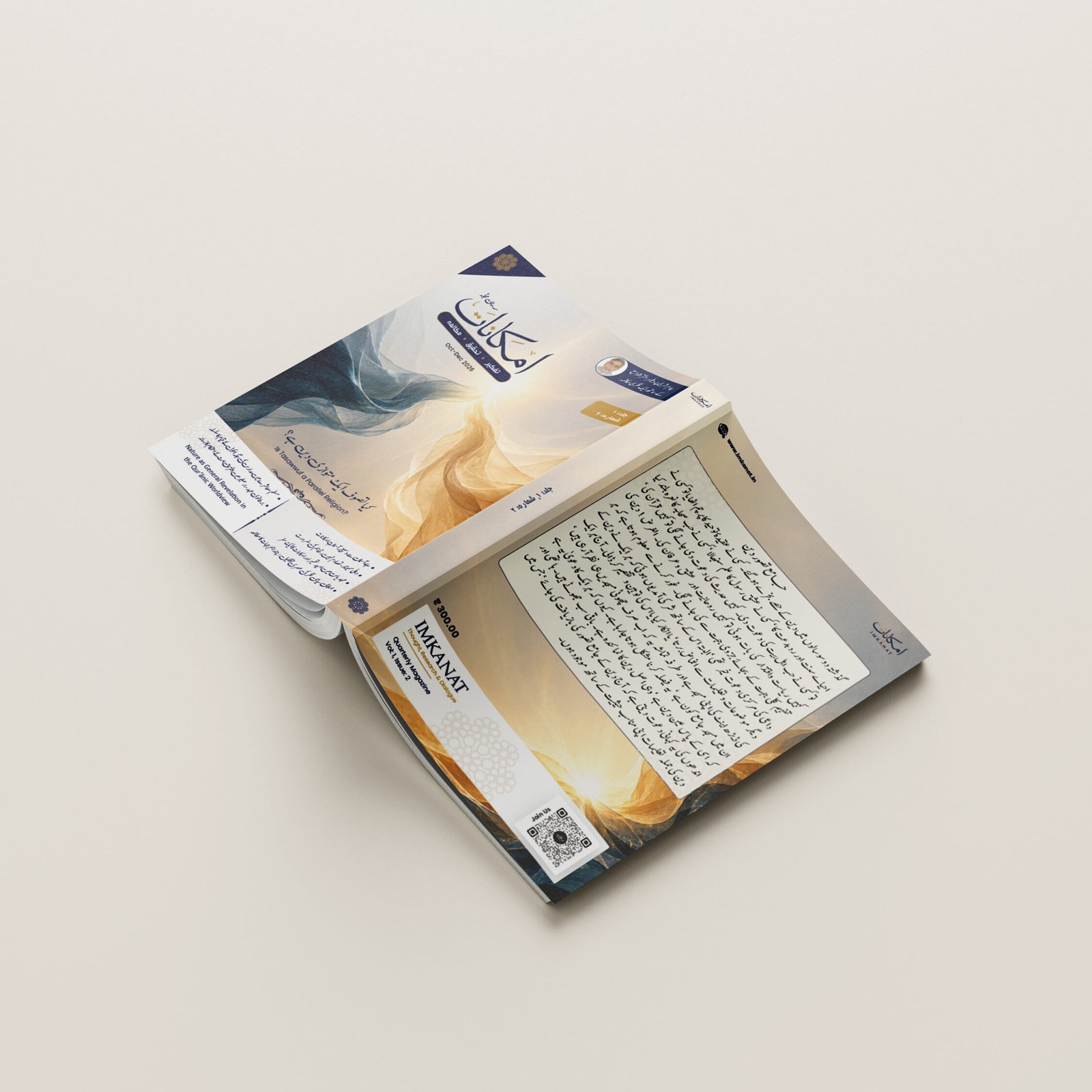
₹300.00
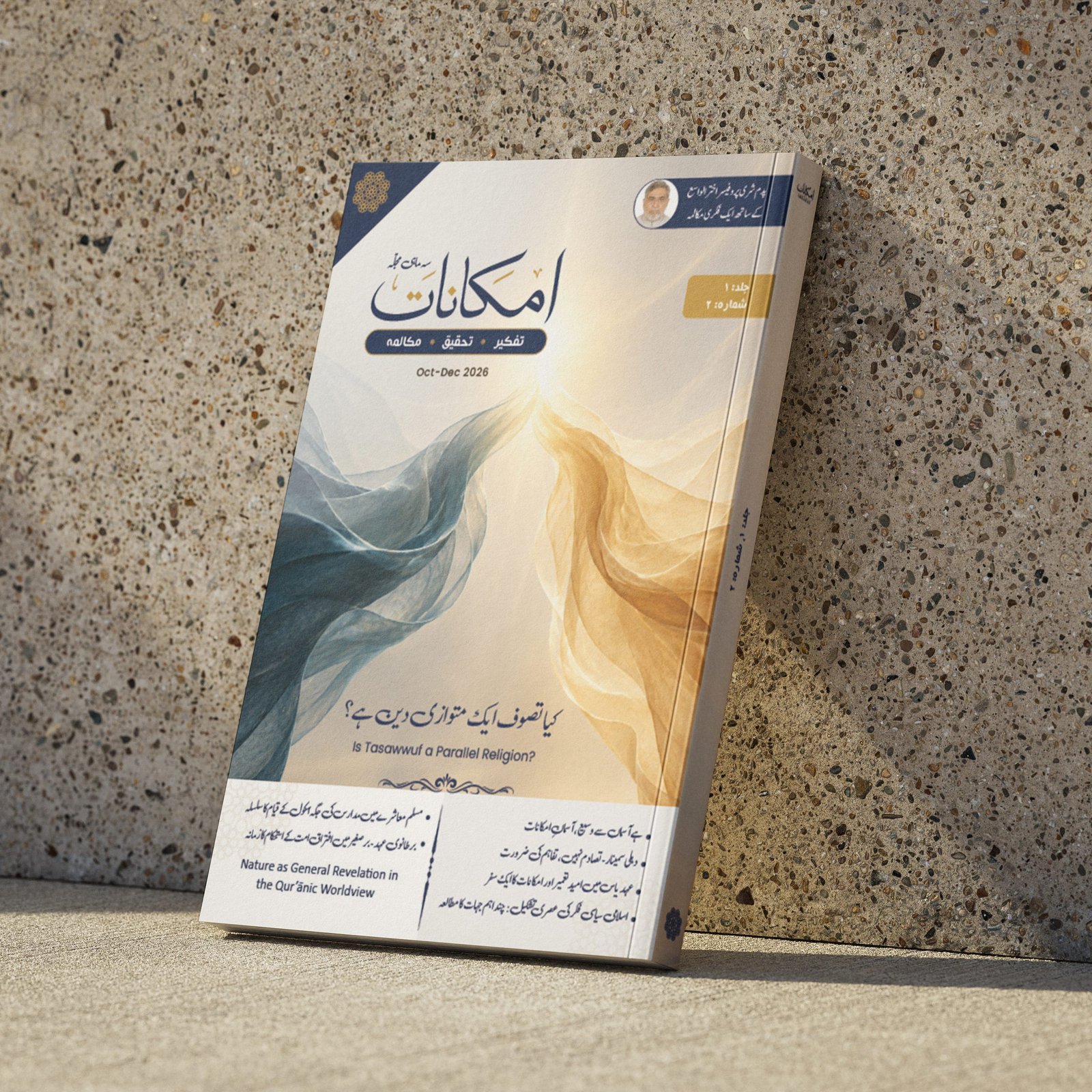
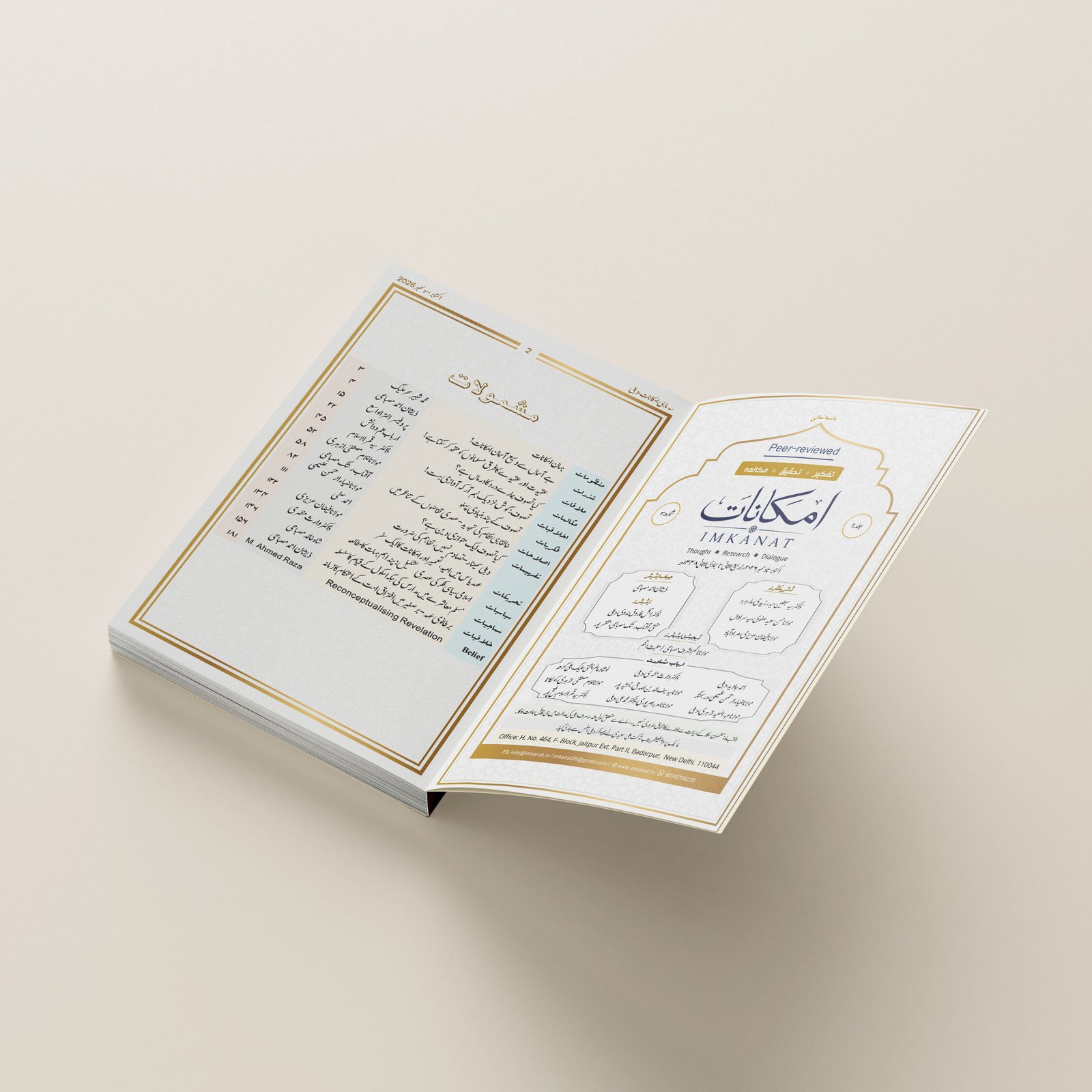
- Is Sufism a Parallel Religion? Maulana Ziaur Rahman Alimi examines Tasawwuf’s principles and practices in the light of the Qur’an, Sunnah, and Islamic scholarship.
- Can Sufism Heal Our Crises? A scholarly dialogue explores Sufism’s potential to address spiritual emptiness, moral decline, and contemporary social challenges.
- Rediscovering Authentic Tasawwuf: Articles explore Sufism’s spiritual foundations, ethical values, and historical development.
- Reforming the Khanqahi System: An examination of how khanqahs can renew their spiritual and social mission to meet contemporary needs.
- Beyond Sectarian Divisions: Professor Akhtarul Wasey discusses how distinguishing faith (aqeedah) from devotion (aqeedat) can promote Muslim unity.
- Education, History, and Muslim Unity: Contributions examine religious education, sectarian divisions, and the importance of constructive scholarly dialogue.
- Reimagining Muslim Intellectual Thought: Articles explore Islamic political thought and Qur’anic perspectives on nature and revelation, encouraging critical inquiry and intellectual renewal.
50 in stock (can be backordered)
Description
October–December Issue: Exploring Tasawwuf, Renewing Thought, and Reimagining Possibilities
What does it mean to inherit a religious tradition in a changing world? How can Muslims distinguish the essence of their faith from historical interpretations, institutional practices, and personal devotional expressions? And how can inherited intellectual and spiritual traditions contribute to addressing the challenges of contemporary society?
These questions lie at the heart of the October–December issue of Imkanat Magazine, which brings together scholarly articles, intellectual dialogues, historical reflections, and critical engagements with some of the most important questions confronting Muslim thought today.
At the centre of this issue is a fundamental and thought-provoking question: “کیا تصوف ایک متوازی دین ہے؟” — Is Sufism a Parallel Religion? In his contribution, Maulana Ziaur Rahman Alimi examines the principles and practices of Tasawwuf in relation to the Qur’an, Sunnah, and established Islamic scholarship. Rather than approaching the subject through simplistic generalisations, the article invites readers to consider the foundations of Sufism, its methods of spiritual cultivation, and the relationship between its essential teachings and diverse historical expressions. It offers a framework for examining the place of Tasawwuf within Islamic religious life and distinguishing authentic spiritual discipline from practices that may require critical scrutiny.
This central inquiry is complemented by other contributions that explore the purpose, potential, and contemporary relevance of Sufism. A dialogue titled “کیا تصوف ہمارے درد کا درماں ہے؟” examines whether Tasawwuf can respond meaningfully to the spiritual disorientation, moral uncertainty, and social fragmentation of our times. Another article explores its development as a discipline, a form of spiritual experience, and a civilizational tradition. Together, these contributions encourage readers to look beyond familiar controversies and consider how spirituality can become a source of ethical refinement, social responsibility, and constructive engagement.
The issue also turns its attention to the institutions through which spiritual traditions have been transmitted. An examination of the khanqahi system considers how these institutions can recover their foundational mission while responding to contemporary needs. This discussion raises important questions about institutional accountability, spiritual training, community welfare, and the relationship between inherited customs and enduring religious objectives.
Beyond Tasawwuf, Imkanat broadens the conversation to encompass Muslim unity, education, history, and intellectual renewal. An interview with Professor Akhtarul Wasey explores how distinguishing between aqeedah and aqeedat may help reduce sectarian tensions and strengthen collective understanding. Other contributions examine the relationship between madrasas and modern schools, the historical consolidation of religious divisions among Indian Muslims, and the need for dialogue across scholarly and intellectual traditions.
The issue further engages with the contemporary reconstruction of Islamic political thought and presents a Qur’anic perspective on nature as a form of general revelation. These contributions reflect the magazine’s wider commitment to examining inherited ideas critically, engaging with modern challenges, and opening new avenues for intellectual exploration.
Running through these diverse discussions is a common concern: how can Muslim scholarship remain rooted in its intellectual and spiritual heritage while responding meaningfully to the realities of the present?
Imkanat seeks to create a space where difficult questions can be explored through informed argument, where differences can encourage deeper understanding rather than division, and where tradition can become a resource for thoughtful renewal.
This issue invites readers not merely to revisit familiar debates, but to rethink their assumptions, rediscover the enduring purposes of their traditions, and explore new possibilities for Muslim intellectual and social life.
Additional information
| Weight | 0.3 kg |
|---|---|
| Dimensions | 30 × 23 × 5 cm |
Reviews
There are no reviews yet.